
It’s about women. It’s about sisterhood. It’s about connection.
The Mast Cell–Histamine–PMDD Connection: What Women Need to Know

What is the connection between mast cells, histamine, and PMDD?
PMDD symptoms may be worsened by elevated histamine levels. Estrogen stimulates histamine release, while histamine can drive more estrogen production — creating a cycle that intensifies during the luteal phase when progesterone drops and mast cells become less stable.
If you live with PMDD (Premenstrual Dysphoric Disorder), you already know how intense the second half of your cycle can feel.
Mood shifts, anxiety, irritability, sleep disruption, and physical symptoms can arrive in a way that feels cyclical and deeply embodied.
Researchers are continuing to explore why this happens. One area of growing interest is the relationship between mast cells, histamine, and hormonal shifts.
Understanding this connection can offer another layer of insight into what’s happening in your body—and how to support it.
What Are Mast Cells and Histamine?
Mast cells are part of the immune system. They help the body respond to perceived threats by releasing signaling compounds, including histamine.
Histamine plays several roles in the body:
-
Supporting immune responses
-
Communicating within the brain
-
Influencing digestion
-
Interacting with hormones
When histamine levels rise beyond what the body can comfortably regulate, symptoms can include:
-
Anxiety or irritability
-
Headaches or migraines
-
Sleep disturbances
-
Skin flushing or itching
-
Digestive discomfort
-
Heart palpitations

How Histamine Interacts with Hormones
Hormones and histamine are closely connected.
-
Estrogen has been shown to promote histamine release from mast cells
-
Histamine can stimulate estrogen production
-
Progesterone is thought to have a stabilizing effect on mast cells
Across the menstrual cycle, these shifts create a dynamic environment. During the luteal phase (after ovulation), progesterone rises and then declines, while estrogen fluctuates. For some women, this window is when histamine-related symptoms become more noticeable.
PMDD and Histamine: What Research Suggests
PMDD is understood to involve a heightened sensitivity to normal hormonal changes, particularly fluctuations in progesterone and its metabolites.
Emerging research and clinical observations suggest that:
-
Immune signaling and inflammation may play a role in PMDD
-
Mast cell activation may contribute to symptom severity in some individuals
-
Histamine may influence mood, sleep, and nervous system regulation
This area is still being studied, but it offers a useful framework for understanding why symptoms can feel both emotional and physical.
Signs Histamine May Be a Factor
Some patterns that may point toward histamine involvement include:
-
Symptoms that intensify in the luteal phase
-
Sensitivity to certain foods like wine, aged cheese, or fermented foods
-
Seasonal allergies alongside PMDD
-
Episodes of flushing, itching, or feeling “wired” before a period
-
Noticing mild relief with antihistamines
These patterns vary from person to person, but they can offer helpful clues.
Supporting Your Body Through This Lens
Approaching PMDD through the lens of histamine and immune balance opens up additional ways to support your body.
1. Support Histamine Breakdown
The body relies on enzymes like DAO (diamine oxidase) to break down histamine, much of which is produced in the gut.
Support can include:
-
Ensuring adequate intake of:
2. Adjust Histamine Intake in the Luteal Phase
Some women notice shifts when they reduce high-histamine foods in the days leading up to their period.
Common sources include:
-
Alcohol, especially wine
-
Aged cheeses
-
Fermented foods
-
Processed or leftover meats
Tracking your own response can help guide what feels supportive.
3. Regulate the Nervous System
Mast cells are responsive to stress signals.
Creating space for regulation can influence how the body responds:

4. Support Progesterone Production
Progesterone plays a role in balancing the nervous and immune systems.
Supportive foundations include:
-
Eating enough throughout the day
-
Including healthy fats and protein
-
Stabilizing blood sugar
-
Reducing chronic stress load
Learn more about how to you can support these foundations here.
5. Explore Targeted Support
Some individuals explore additional tools, such as:
-
Anti-histamine OTC such as Claritin
Working with someone who understands both hormones and immune function can be helpful in personalizing this approach.
We've partnered with Fullscript to provide you with all of these supplements at a 10% discount!
When you get to the Fullscript website, you'll be prompted to set up a free account so that you can access all of our fertility protocols and recommendations on Wisdom of the Womb's favorite products and supplements plus the ones we've linked to in this blog. No coupon code necessary when you click the product links below after registration.
6. Wisdom of the Womb Picks for PMDD Support
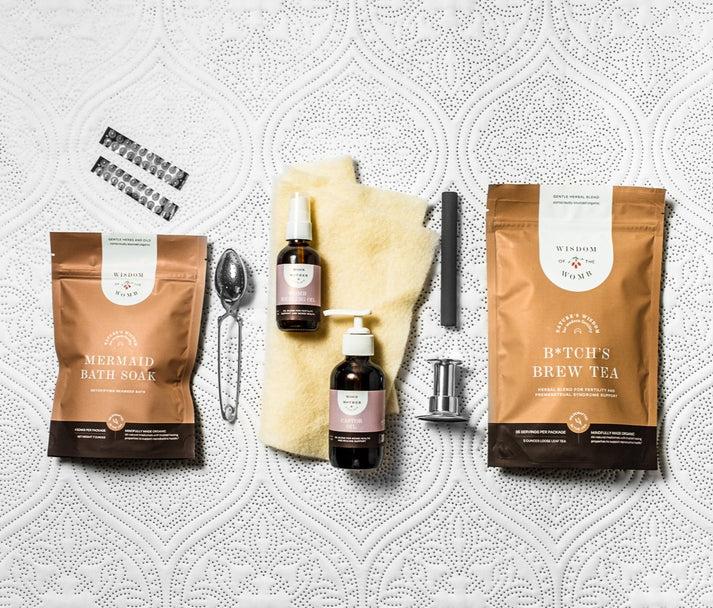
Our products offer gentle, targeted support for the body systems most affected by PMDD.
Supportive options include:
-
Detox Tea — supports liver function to clear excess hormones and reduce toxic load
-
B*tch's Brew Tea — helps regulate blood sugar and ease the stress response for more balanced cortisol levels. Take a look at our PMS SOS Trio and our Complete PMS Support Bundle.
-
Mermaid Bath Soak — draws out impurities, supports circulation, and detoxifies the liver for more balanced hormones
-
Tension Tamer: Stress Relieving Oil Blend — soothes the stress response and supports nervous system calm during the luteal phase.
"I've had PMDD for over 16 years and drinking B*Tch's Brew Tea daily has turned the intensity level down on the crawl-out-of-my-skin anxiety, insidious harmful thoughts, and deep depression I can experience. This tea has been a literal life-line in helping me know that every cup I drink is actively balancing my systems so that I don't get to the week before my period and experience a dog-pile of other erratic hormone imbalances that intensify the already challenging PMDD symptoms."
Allyson P.
"I suffer from severe PMDD and have for so long. B*tch's Brew was recommended to me and the Universe took care of me with this one. HIGHLY recommend for those who struggle with diffult cycles."
Lena B.
Bringing It Together
PMDD reflects a complex interaction between the brain, hormones, and immune system. The connection between mast cells, histamine, and hormonal shifts offers another layer of understanding—especially for women who notice patterns related to inflammation, allergies, or sensitivity.
With the right support, many women find that symptom intensity becomes more manageable over time.
Written by Ariele Myers, Licensed Acupuncturist and Integrative Fertility Specialist with 20+ years supporting women’s reproductive health.