
It’s about women. It’s about sisterhood. It’s about connection.
What If Nothing Is “Wrong”? Understanding Unexplained Infertility

What is unexplained infertility and what could actually be causing it? "Unexplained infertility" doesn't mean nothing is wrong — it means nothing has been found within the limits of standard testing, and deeper factors like inflammation, nervous system stress, and nutrient deficiency often go unmeasured.
There’s a particular kind of frustration that comes when you’ve done the testing, asked the questions, and still don’t have an answer.
Everything looks “normal.” Nothing obvious is wrong. And yet, you’re not getting pregnant.
This is often labeled as unexplained infertility.
It can feel confusing, and at times, deeply unsettling. Because if nothing is wrong, then what are you supposed to do with that?
🧬 What “Unexplained Infertility” Actually Means
From a medical perspective, this term is used when standard testing doesn’t reveal a clear cause.
Hormones may fall within range. Ovulation may be happening. There are no obvious structural issues.
So the conclusion becomes: unexplained.
But what this often means in practice is not that nothing is happening in the body.
It means nothing has been identified within the scope of what is being measured.
🔍 Looking Beyond What’s Measured
The body is more complex than any set of labs can fully capture.
Fertility is not just:
-
hormone levels
-
ovulation timing
-
reproductive organs
It’s influenced by the entire system, including:
-
the nervous system
-
the immune response
-
inflammation levels
-
digestion and nutrient absorption
-
stress and overall capacity
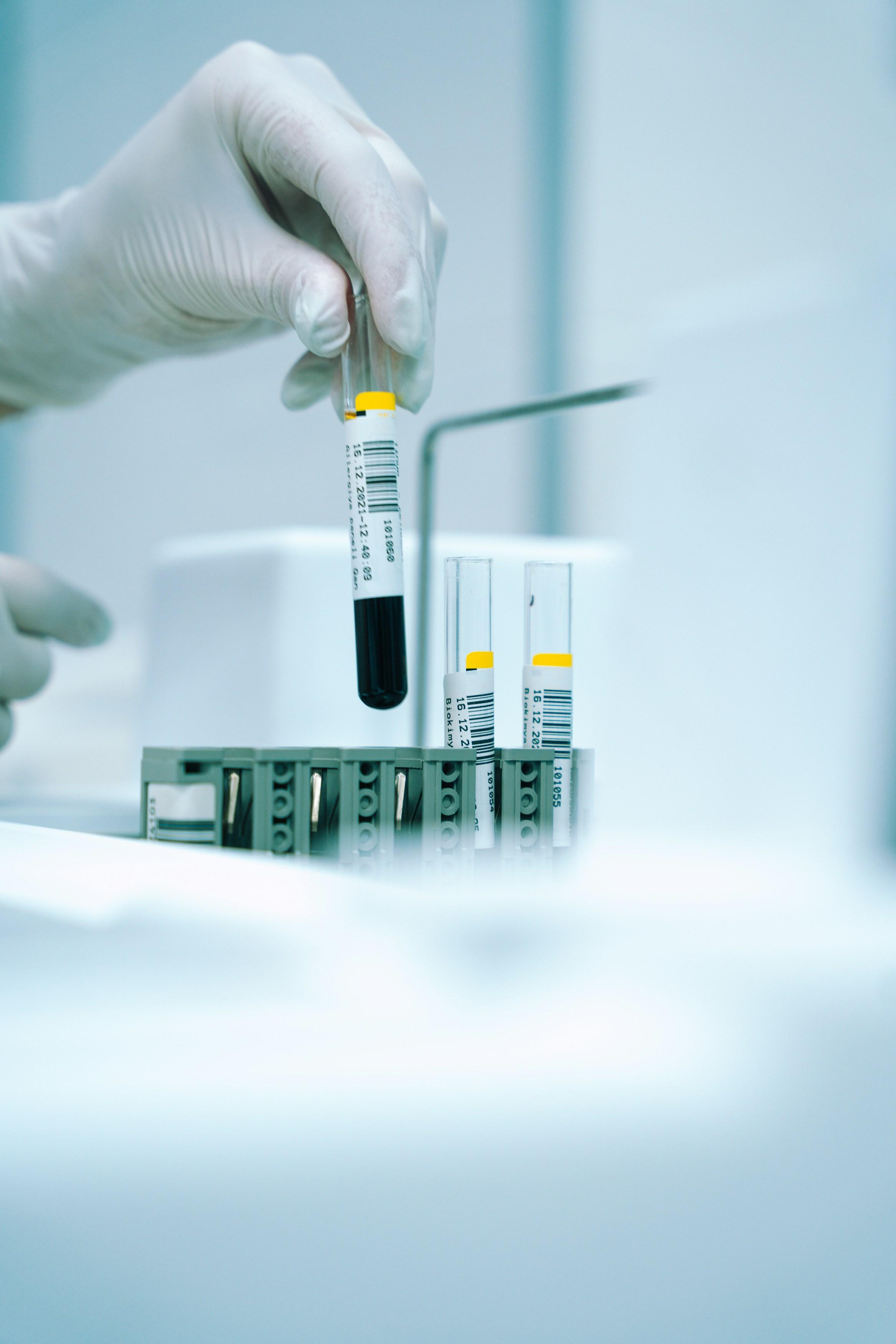
When these systems are under strain, the body may not prioritize reproduction, even if all the basic markers appear “normal.”
🌊 The Body and Safety
One of the most important, and often overlooked, aspects of fertility is whether the body feels supported enough to conceive.
This isn’t a conscious decision. It’s a physiological one.
If the body is navigating:
-
chronic stress
-
depletion
-
inflammation
-
lack of nourishment
…it may shift resources toward maintenance and survival rather than reproduction.
That doesn’t mean something is broken. It means the body is responding to its environment.

🔥 Inflammation + Fertility
Low-grade, chronic inflammation can influence fertility in ways that don’t always show up clearly on standard tests.
It can affect:
-
egg quality
-
uterine environment
-
hormone signaling
-
implantation
Inflammation can come from a range of sources:
-
diet and blood sugar instability
-
gut imbalances
-
ongoing stress
When the system is inflamed, it becomes harder for the body to move into a state that supports conception.
🧠 The Nervous System and Fertility
The nervous system plays a direct role in reproductive health.
When the body is in a constant state of activation, it impacts:
-
hormone signaling
-
blood flow to reproductive organs
-
overall regulation
Many women navigating “unexplained infertility” are also carrying a high level of responsibility, pressure, and stress.
Not because they’re doing anything wrong, but because of the lives they’re living. Supporting the nervous system isn’t a side note here. It’s central.
🌸 Reframing the Experience
Hearing “nothing is wrong” can feel dismissive.
But it can also open a different doorway.
Instead of focusing only on what’s missing or malfunctioning, we can begin to look at what the body might need in order to feel more supported.
This shifts the question from: 👉 “Why isn’t this working?” to 👉 “What would help my body move toward this?”
That’s a very different place to work from.
🌿 What Support Can Look Like
Support doesn’t come from one single intervention.
It’s usually a combination of:
-
deep nourishment and rebuilding
-
supporting digestion and nutrient absorption
-
lowering inflammation
-
regulating the nervous system
-
creating more space for rest and recovery
These are not quick fixes.
They’re foundational shifts that allow the body to move toward balance over time.
🌿 Where This Work Actually Comes In
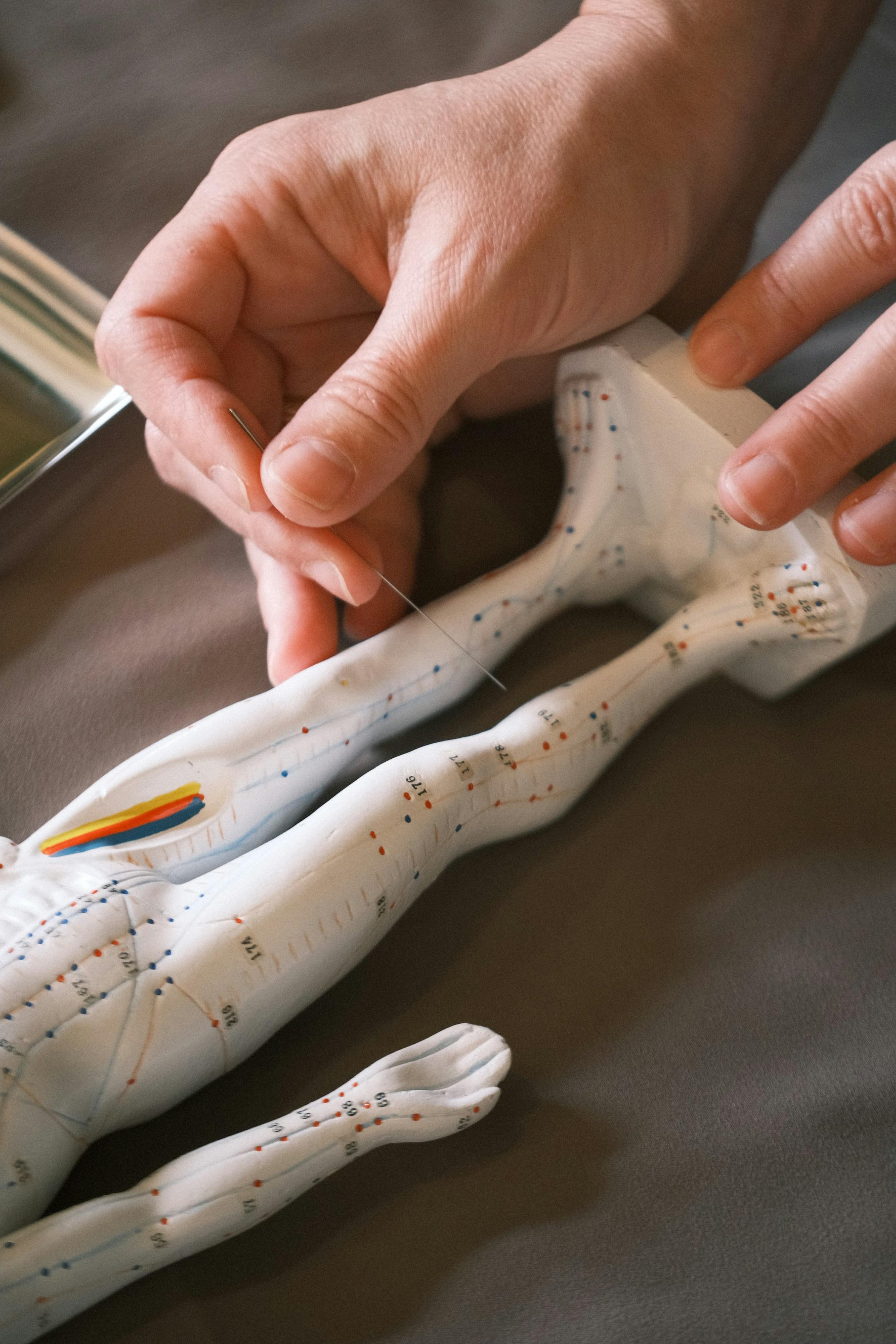
This is where approaches like Chinese Medicine can be incredibly powerful.
Instead of only looking at lab values, it looks at patterns in the body—things like:
-
circulation
-
inflammation
-
temperature
-
digestion
-
energy and depletion
These imbalances don’t always show up on standard testing, but they often show up clearly through symptoms that many women have been told are “normal.”
Things like:
-
spotting
-
irregular cycles
-
sleep issues
-
anxiety or depletion
From this lens, unexplained infertility isn’t unexplained at all.
It’s a pattern that hasn’t been fully interpreted yet.
🌿 The Fertile Mama Method
This is exactly the work we do inside the Fertile Mama Method.
We look at your body as a whole system, identify the imbalances that may be affecting your fertility, and support you in correcting them through:
-
nourishment
-
lifestyle shifts
-
and targeted herbal support
This isn’t about forcing the body into pregnancy. It’s about bringing the system back into a state where pregnancy becomes possible.

🌿 Herbal Support
Our teas—especially the Fertile Mama Tea—were created with this in mind.
They’re designed to:
-
support circulation and blood flow
-
reduce inflammation
-
nourish the body at a foundational level
-
help regulate the cycle over time
They’re not a quick fix. They’re part of a larger process of supporting the body so it can function the way it’s designed to.
🌿 If You’re Not Sure Where to Start
If you’ve been told everything looks normal but you’re still not getting pregnant, this is exactly the kind of situation we work with.
You don’t have to try to figure it out on your own.
You can reach out to our support team, and we’ll help you identify what might be going on in your body based on your symptoms and your cycle, and guide you toward what would be most supportive.
-
It’s a term used when standard medical testing does not identify a clear cause for difficulty conceiving.
-
Factors like inflammation, nervous system stress, immune response, and nutrient deficiencies may all play a role, even if they are not clearly reflected in basic testing.
-
Yes. Inflammation can affect multiple aspects of reproductive health, including egg quality and implantation.
🌱 Closing
Being told that nothing is wrong doesn’t always bring relief.
But it doesn’t mean there isn’t a path forward.
The body is not random. And when you begin to support it more fully, things can start to shift in ways that aren’t always visible at first, but become clearer over time.
Written by Ariele Myers, Licensed Acupuncturist and Integrative Fertility Specialist with 20+ years supporting women’s reproductive health.