
It’s about women. It’s about sisterhood. It’s about connection.
Beyond the Diagnosis: A Different Way to Understand Endometriosis
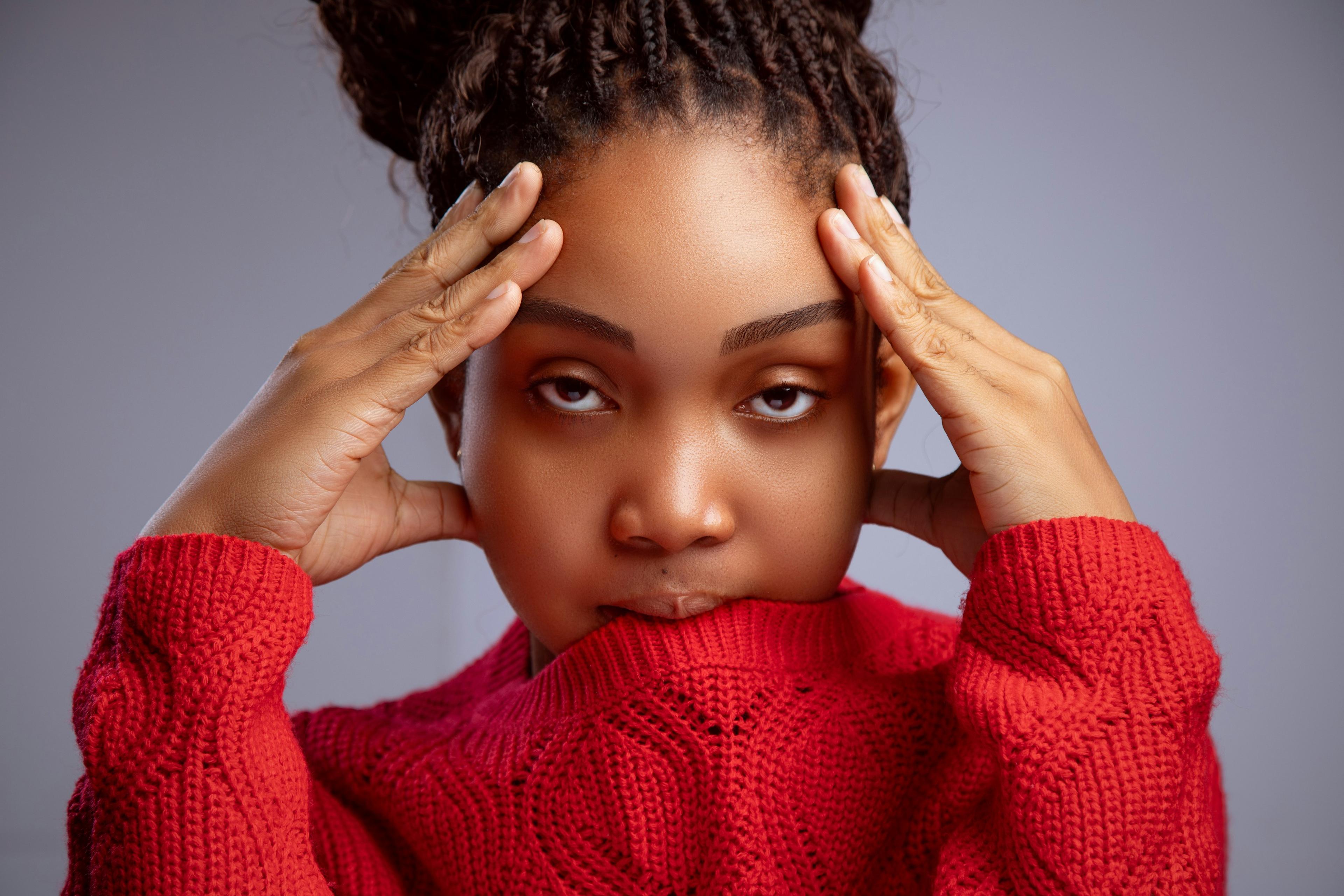
What causes endometriosis?
Endometriosis is driven by chronic inflammation, immune dysregulation, and hormonal sensitivity — not just tissue in the wrong place.
If you’ve been diagnosed with endometriosis, or suspect you might be dealing with it, you’ve likely been given a medical explanation.
Tissue similar to the uterine lining growing outside the uterus. Inflammation. Pain, often severe.
That explanation can help name what’s happening.
But it doesn’t always help you understand why your body is in this state… or what you can do to support it.
🌙 What Is Endometriosis?
Endometriosis is typically defined as the presence of endometrial-like tissue outside the uterus.
This can lead to:
-
pelvic pain
-
painful periods
-
pain with ovulation
-
digestive discomfort
-
fatigue
-
fertility challenges
From a conventional perspective, the focus is often on the presence of this tissue and how to manage or remove it.
But the body is more complex than a single location of tissue.
🔄 Endometriosis Is Not Just Local
Endometriosis is often treated as a localized condition.
But the symptoms suggest something broader is happening.
The body is:
-
inflamed
-
reactive
-
sensitive to hormonal shifts
-
often under strain in multiple systems
So while the tissue is part of the picture, it’s not the whole picture.

🔥 Inflammation as a Central Driver
Inflammation plays a major role in endometriosis.
It can:
-
increase pain sensitivity
-
amplify immune response
-
affect how the body responds to estrogen
-
contribute to the growth and persistence of tissue
This inflammation doesn’t come from one place.
It can be influenced by:
-
diet and blood sugar instability
-
gut health and microbiome imbalance
-
environmental exposures
-
chronic stress
When inflammation is high, symptoms often intensify.
🌊 Hormones and Sensitivity
Endometriosis is often described as estrogen-dominant.
That can be part of the pattern.
But more important than the level of estrogen alone is how the body is responding to it.
When the system is inflamed or overwhelmed, the body can become more sensitive to normal hormonal shifts.
This is why symptoms often worsen around the cycle.
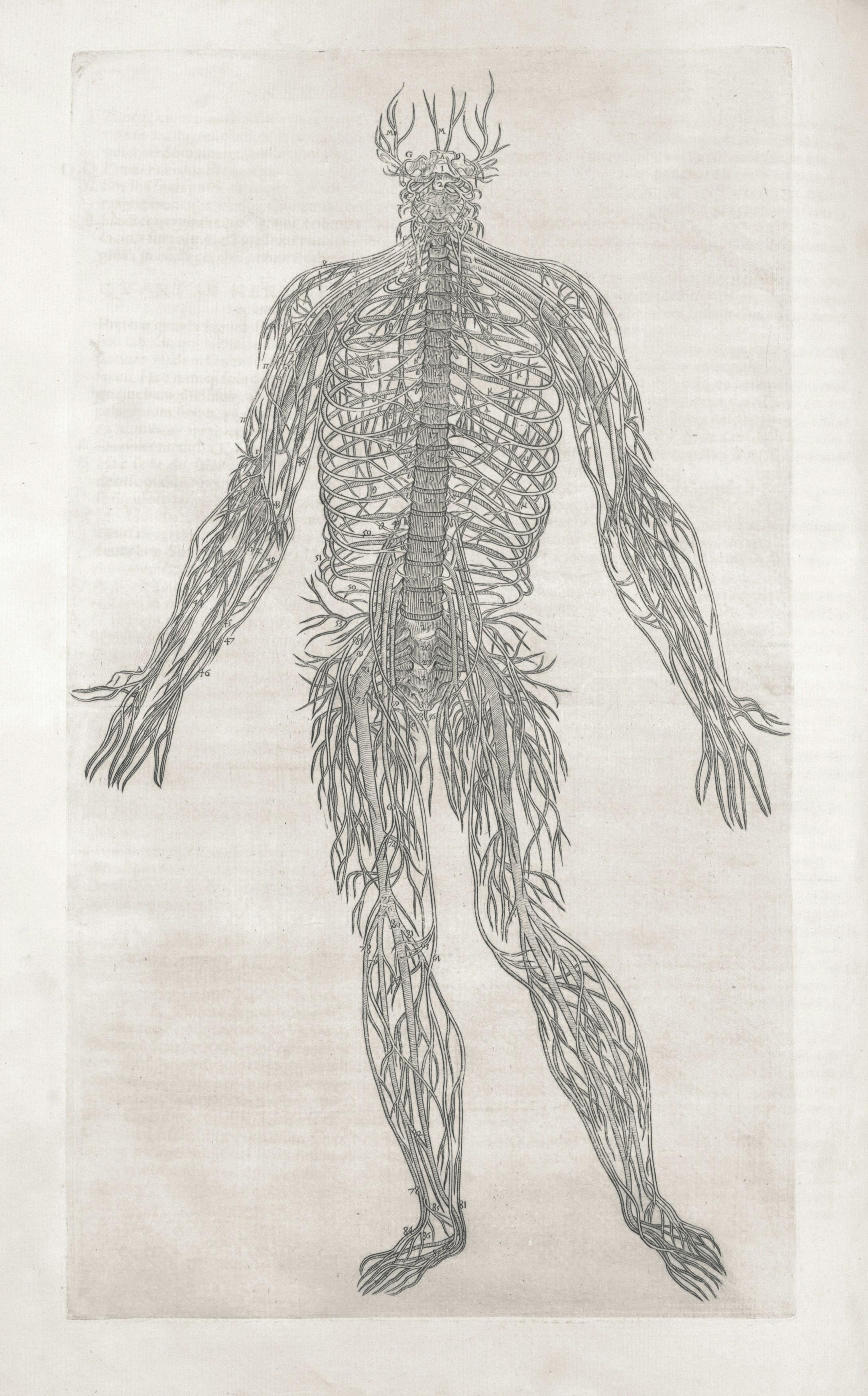
🧠 The Nervous System + Pain
Chronic pain doesn’t only exist in the tissues.
The nervous system plays a role in how pain is experienced and processed.
When the body has been in pain for a long time, the nervous system can become more sensitized.
This can make symptoms feel more intense and more persistent.
Supporting the nervous system is an important part of reducing overall pain experience.
🌿 A Chinese Medicine Perspective
From a Chinese Medicine lens, endometriosis is often connected to:
-
blood stagnation (lack of smooth flow)
-
inflammation or heat
-
underlying deficiency (not enough nourishment)
When blood and energy are not moving freely, the body can experience:
-
pain
-
clotting
-
sharp or fixed discomfort
This perspective looks at the pattern, not just the diagnosis.
🌸 A Different Way to Approach Endometriosis
Instead of focusing only on removing or suppressing symptoms, the focus becomes:
How do we support the body in a way that reduces inflammation and improves flow?
That can include:
-
reducing inflammatory inputs
-
supporting gut health
-
nourishing the body more deeply
-
improving circulation
-
supporting the nervous system
These are not quick fixes.
But they are the pieces that influence how the body experiences the condition over time.
🌿 Where This Work Comes In
This is where a more complete approach becomes important.
Instead of only looking at the diagnosis, we look at how your body is functioning as a whole.
Your symptoms, your cycle, your digestion, your energy—all of these give insight into what pattern may be present.
🌿 The Fertile Mama Method
Inside the Fertile Mama Method, this is exactly the kind of work we support.
We help you understand the imbalances contributing to inflammation, pain, and cycle disruption, and work with you through:
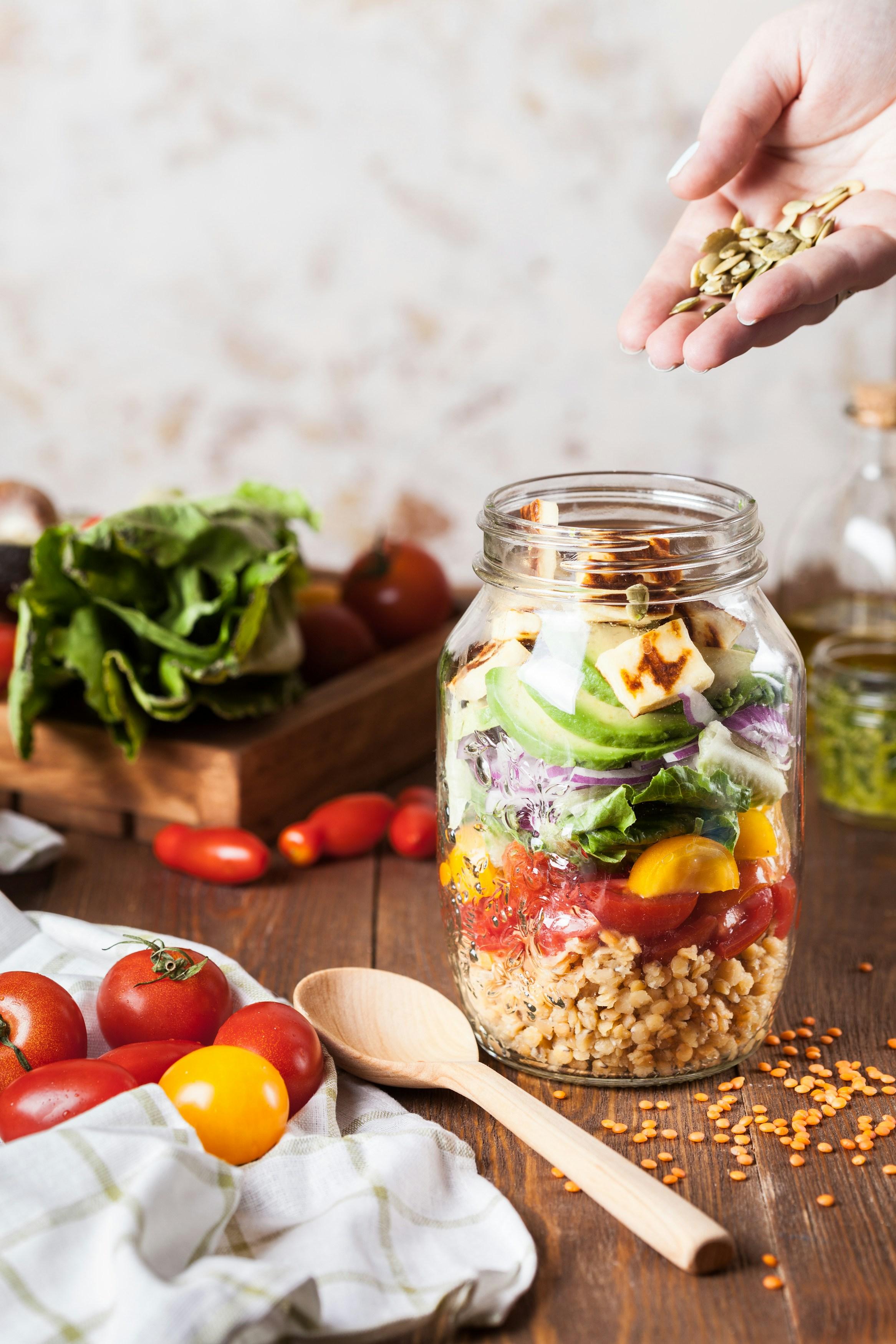
-
nourishment
-
lifestyle shifts
-
and targeted herbal support
This allows the body to move toward less reactivity and more balance over time.
🌿 Herbal Support
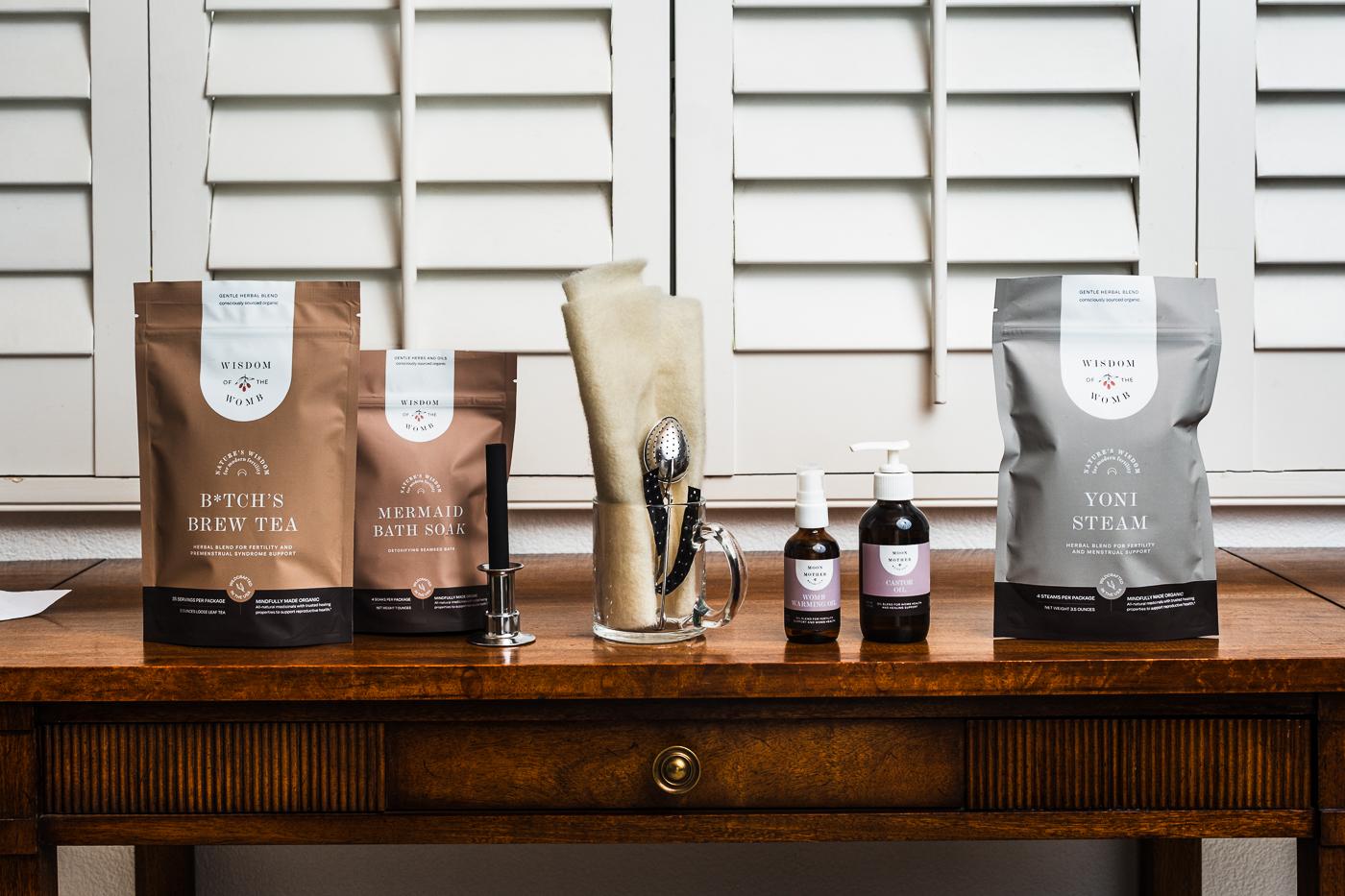
Our Endometriosis Support Bundle and PMS SOS Trio were created to support the patterns commonly seen with endometriosis.
They’re designed to:
-
reduce inflammation
-
support circulation and movement in the body
-
ease pain and cramping
-
support the body’s response to hormonal shifts
These blends work gradually to support the body, rather than override it.
🌿 Continue Exploring
If you’re navigating endometriosis, you may also want to explore these blogs:
These pieces will help you see how this fits into the bigger picture.
🌿 If You’re Not Sure Where to Start
If you’re dealing with ongoing pain, inflammation, or a diagnosis of endometriosis, this is something we work with often.
You don’t have to try to figure it out on your own.
You can reach out to our support team, and we’ll help you understand what may be contributing to your symptoms and guide you toward what would be most supportive.
You can also explore our Endometriosis Support Bundle or PMS SOS Trio for more targeted support.
-
The exact cause is not fully understood, but it is often associated with inflammation, immune response, and hormonal sensitivity.
-
Yes. Inflammation can increase pain and symptom severity.
-
Hormones play a role, but they are part of a larger system involving inflammation and immune response.
🌱 Closing
Endometriosis is often framed as something the body is doing wrong.
But the body is not random.
There are patterns underneath what you’re experiencing.
And when you begin to support those patterns, the way your body feels can begin to change.
Written by Ariele Myers, Licensed Acupuncturist and Integrative Fertility Specialist with 20+ years supporting women’s reproductive health.